I said some time ago that Mark Zuckerberg seems intent upon ending social media as we know it. Turns out, I was more right than even I thought. He has actually come out and said it in as many words.
Apparently, fewer and fewer people use social media to stay in touch with the happenings in their friends’ lives. Be it Facebook, Instagram, Twitter, or TikTok, the focus is on entertainment. Our feeds are no longer full of things we subscribed to or people we followed. They show us what the algorithm decides we will spend the most time on.
In case anyone has forgotten, the whole point of the web was that it was not TV, that it was not a one-way street where we only got what the people behind the screen decided we should get. It was a place where we had choice, where we could decide what we engaged with.
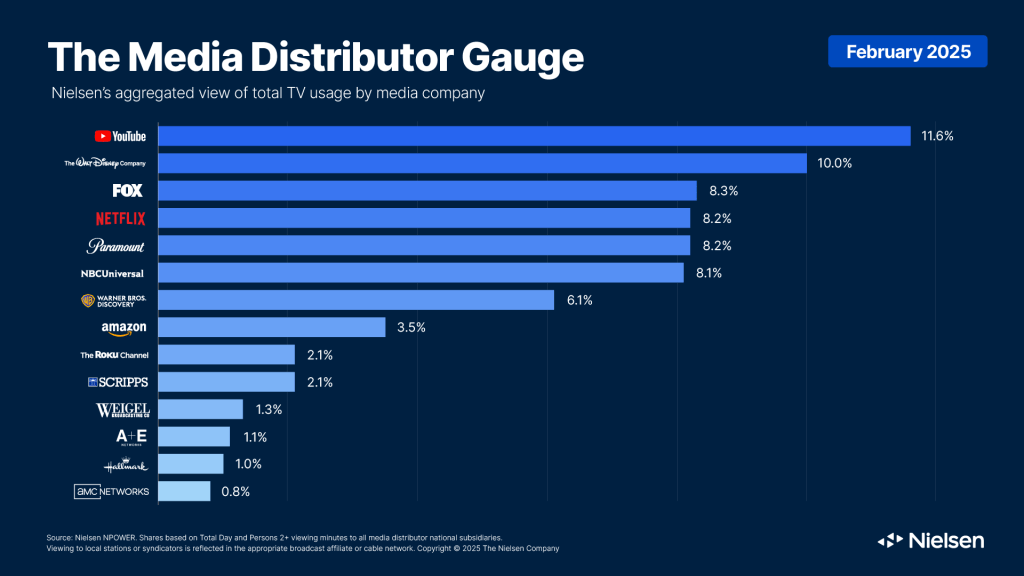
That is quite visibly no longer the case. Patreon CEO Jack Conte has come out and said that the follower is dead. YouTube itself accepts that subscribers don’t matter as much as before and is looking to become TV. Take a look at these Nielsen findings.
If you have been on any social network for any length of time since 2019, you also know that what fills your timelines is not what you subscribed to. The subscribe button on social networks is more or less just a decoration now.
So what is not a decoration? Is there any place where the original promise of the web still lives and breathes?
Sure. It lives on in newsletters and podcasts and blogs (like this one). Outside the confines of social media websites and apps, the good old world wide web is still sitting on a foundation of originality and interactivity fuelled by free protocols like email and RSS feeds.
Cory Doctorow recently pointed out that the single most powerful thing an individual consumer of information can do to loosen the hold of powerful corporations on the internet is switch to RSS feeds.
If you are a content creator and feel trapped inside your social web silo because the switching cost is too high (leaving Twitter or Instagram means losing access to all your followers on the platform), you should at least try to build a home outside it. Start a blog, start a newsletter, build a blog and tell your social followers to join you there. Many won’t come, but there is value in the ones that do come. They are engaged, understanding, and willing to take action to end the dystopia that social media has become.
And if you are not a creator of tweets, reels, or videos, share this post with your favourite content creator.
Related podcast episodes
Losing followers is not always a bad thing
